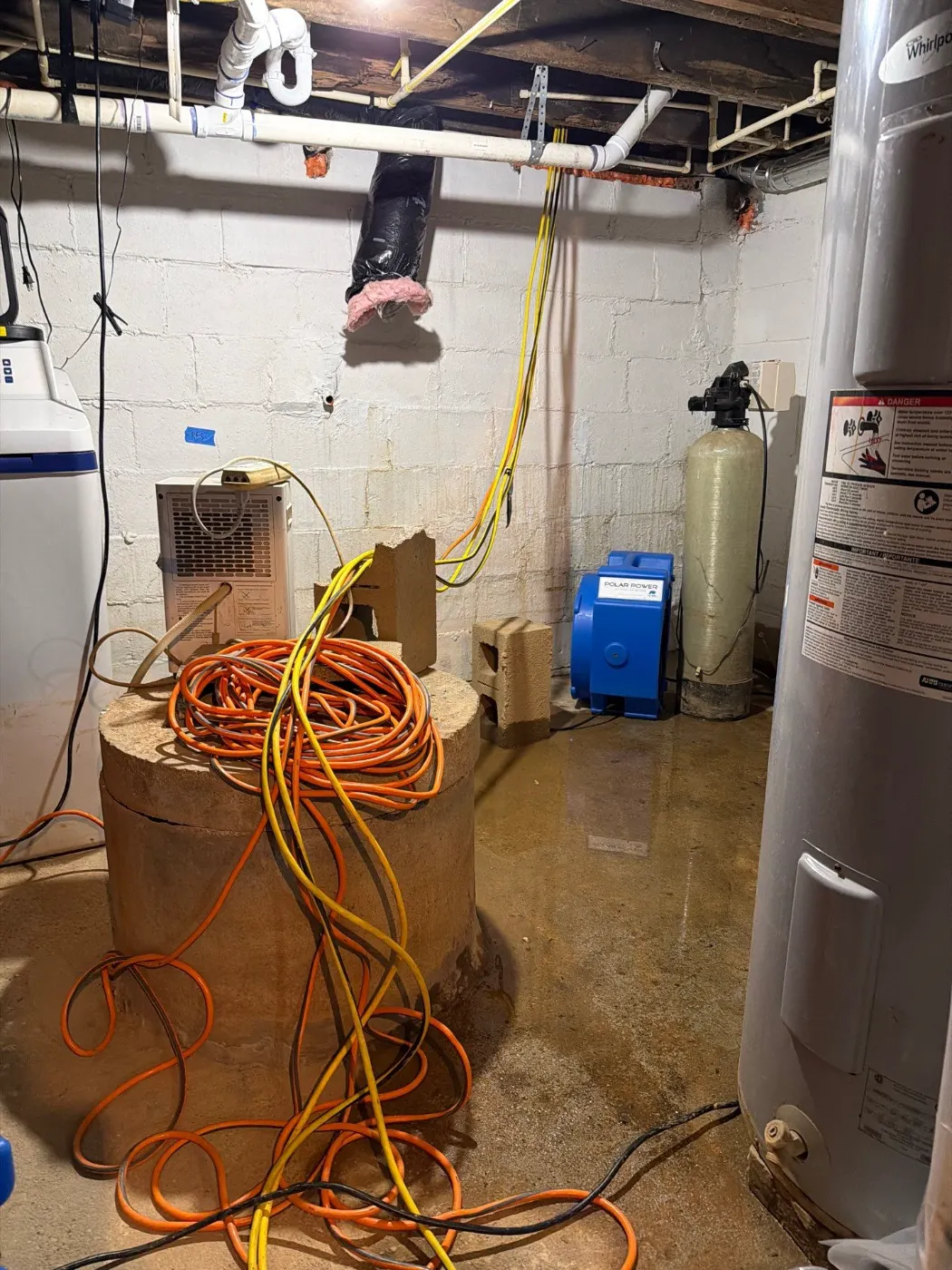
Commercial Flood Damage Cleanup in Valley Mills, IN
Pallets, fixtures, and records packed out and inventoried while the crew dries your Valley Mills building section by section.
When Valley Mills homeowners need Commercial Flood Damage Cleanup, Valley Mills Water Restoration responds 24/7 with certified technicians, fast equipment deployment, and claim ready documentation. Call (317) 653-6821 for immediate dispatch.
- Service: Commercial Flood Damage Cleanup for Valley Mills homeowners
- Service area: Valley Mills, IN and surrounding areas
- Response time: Emergency water calls in Valley Mills get crews rolling, not callbacks
- Licensed and insured (License #RC21100059)
- Serving Valley Mills, IN since 2018
Commercial Flood Damage Cleanup for Valley Mills Businesses
Floodwater leaves a layer behind when it drops. Silt works into carpet tile seams and trench drains, and the film it leaves on the slab holds moisture long after the standing water is gone. Valley Mills Water Restoration removes mud and silt from commercial buildings in Valley Mills before drying equipment goes in, since equipment can't dry what's buried under it.
Large commercial scopes get read line by line, so Valley Mills Water Restoration writes them with that in mind. The daily record carries enough detail that anyone can trace a single charge back to a reading taken on a specific day in a specific room of your Valley Mills building. Photos by area and phase, equipment hours by room and a contents inventory sit in the same file.
The dispatcher on a commercial flood call asks where the water came from, how deep it stands, roughly how many square feet are wet, whether a below grade level is involved and whether the power is still on. Those answers set the pump count and the crew size for your Valley Mills property before anyone loads a vehicle.
Category 3 losses carry their own documentation requirements. Material removed from a contaminated area has to be identified and quantified, with disposal records to match, and the containment and protective equipment the job required belongs in the same file. Valley Mills Water Restoration photographs each affected area before removal, logs what came out by room and in what quantity, keeps the disposal paper, and records the equipment used, because a Category 3 scope needs all of it on paper.
Call Valley Mills Water Restoration and a commercial crew is on the way to your Valley Mills property with high volume pumping and extraction. The moisture log starts on the day the crew arrives. Every photo and reading goes in a file you keep.
Signs You Need Commercial Flood Damage Cleanup
If you notice any of these in your Valley Mills building, schedule a free inspection before the issue worsens.
Swollen particleboard casework or a reception desk with a soft base after the water dropped
Standing water visible across more than one bay or section of a warehouse or retail floor
Floors that stay cold and damp for days after the water is gone, even with the HVAC running
Acoustic ceiling tiles stained brown or sagging out of the grid in a line under a pipe run
Mud or silt left on the floor after floodwater pulled back from the building
A damp dark band across the concrete slab that spreads overnight and shrinks during the day
Dripping from the deck above into a drop ceiling, with wet insulation visible through the grid
Water staining on stairwell walls or landings leading down to a basement or garage level
Floor drains backing up or holding water long after the last discharge into them
Water pooling against the outside of an exterior door after the storm drain overflowed
How Valley Mills Water Restoration Handles Commercial Flood Damage Cleanup
We follow these steps in order on every Valley Mills job.
Two Hour Dispatch
Valley Mills Water Restoration dispatches a commercial crew to the property within two hours of the call, day or night. The truck arrives loaded with submersible and trash pumps, truck mounted extraction, dehumidification, air movers, moisture instruments, and containment material for the square footage reported on the phone.
High Volume Pumping
Submersible and trash pumps move standing water to an approved discharge point while the crew monitors depth against the floor assembly underneath. Pump capacity gets matched to the volume in the building, so a loading dock or a below grade level drains in hours.
Staged Water Drawdown
Below grade levels get pumped down in stages while the soil outside is still saturated. The crew pauses between passes to check walls and slab, and logs the water level each time.
Mud and Silt Removal
Mud goes into containers first, starting at the far end of the building and working toward the exit. Wet vacuums and a rinse pass follow, and floor drains get flushed and checked so water can drain freely.
Daily Documentation
Moisture readings, temperature and humidity logs, equipment counts by room, and photographs get recorded every day equipment runs. Affected materials get compared against dry standard readings taken elsewhere in the same building, so the file shows a drying trajectory an adjuster can follow.
Commercial Flood Damage Cleanup in Valley Mills
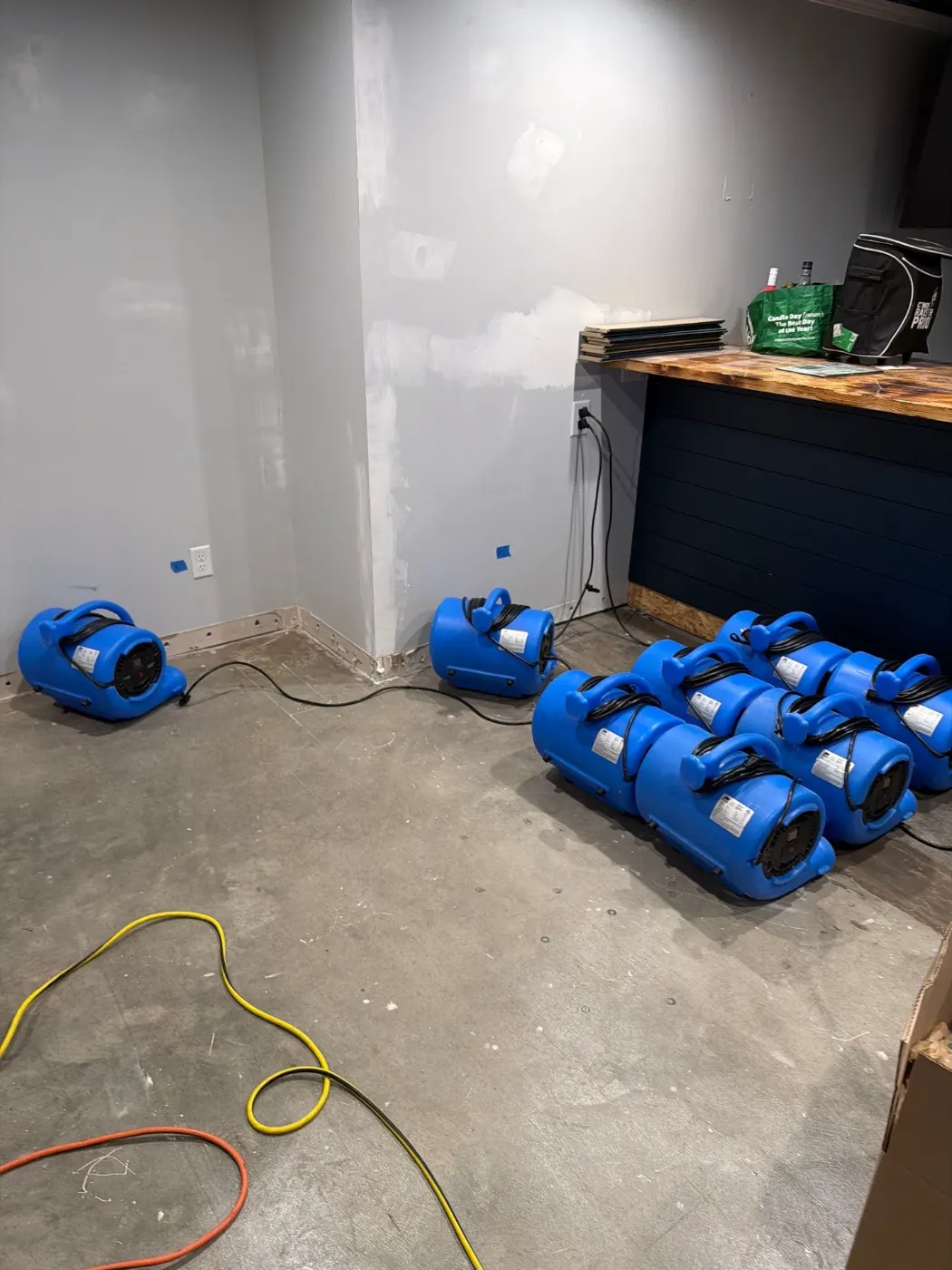
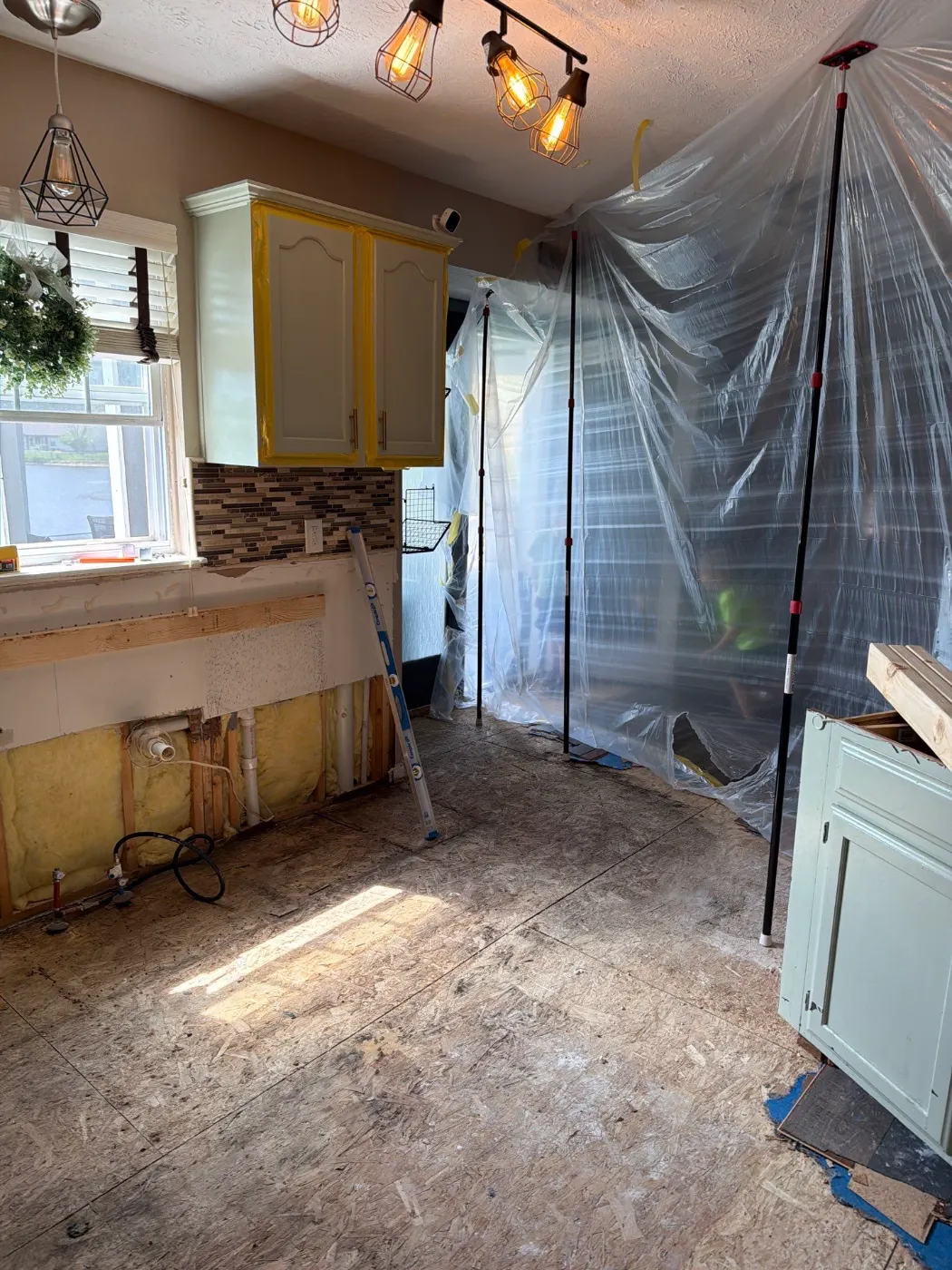
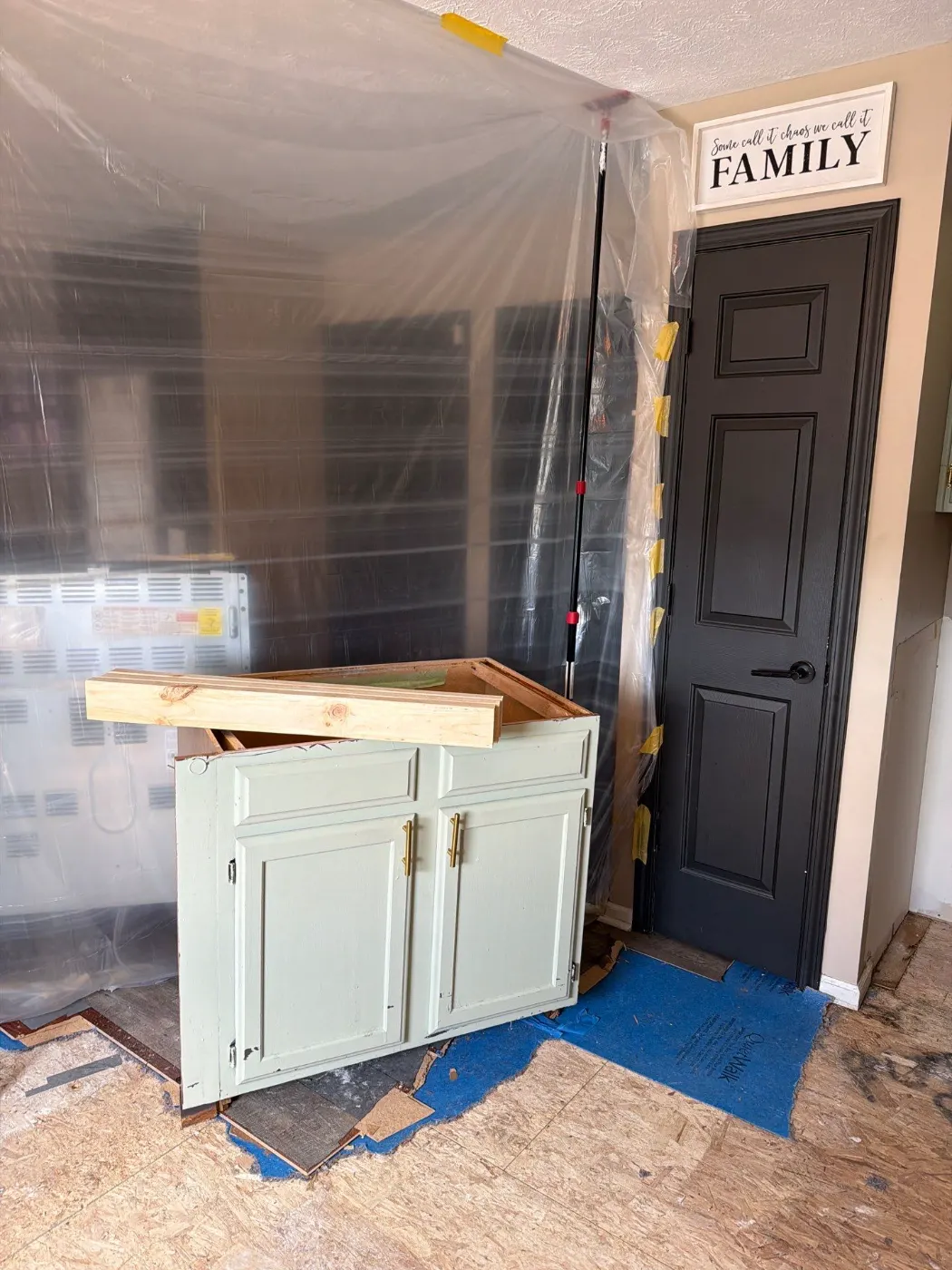
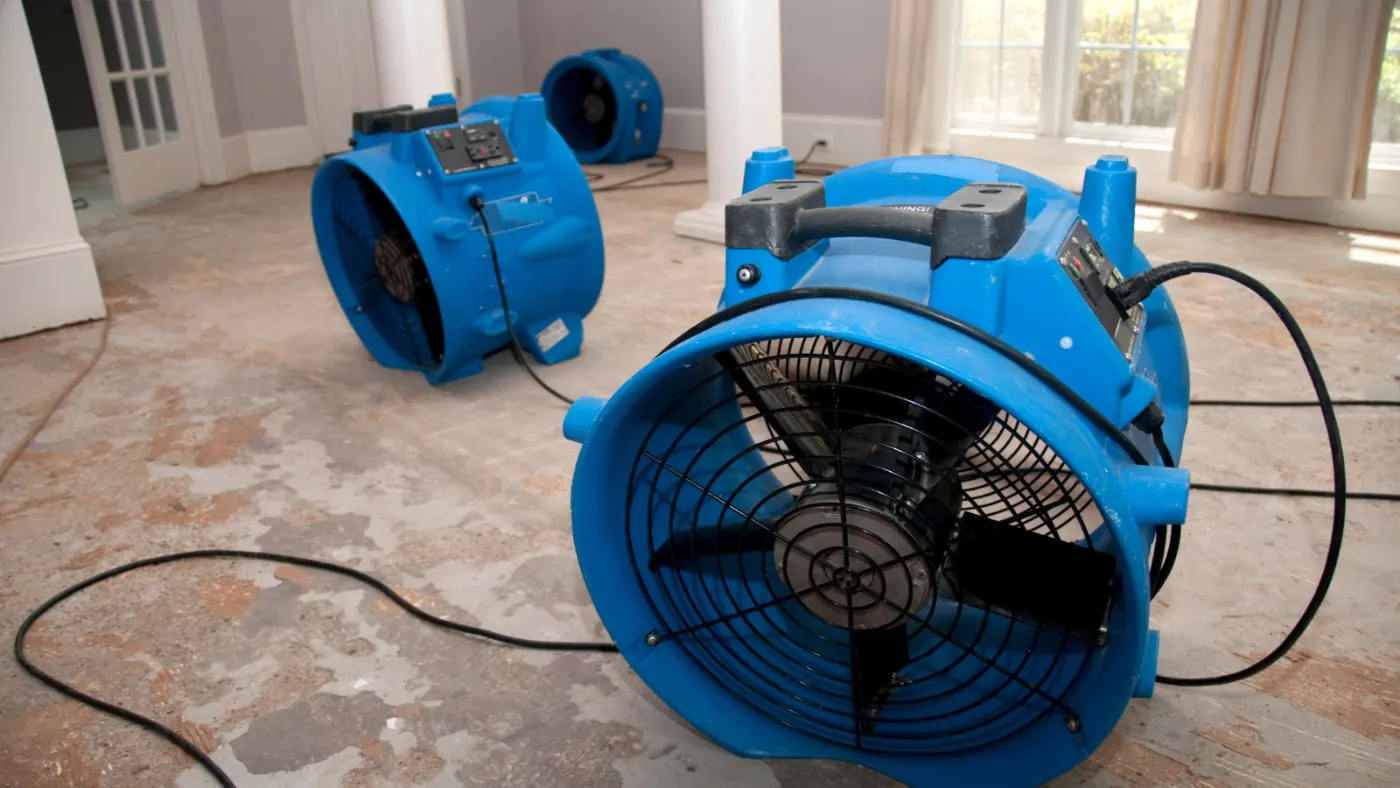
Photographs from real commercial flood damage cleanup jobs completed by our crew in Valley Mills and surrounding areas.
Commercial Flood Damage Cleanup FAQ
Questions Valley Mills property managers ask us about commercial flood damage cleanup.
Guidance and Standards for Commercial Flood Damage Cleanup
- The ANSI/IICRC S500 is the published standard for professional water damage restoration. The current edition is the Fifth Edition, 2021. IICRC S500 Standard
- EPA advises drying water damaged areas and items within 24 to 48 hours to prevent mold growth. EPA: A Brief Guide to Mold, Moisture and Your Home
Valley Mills Neighborhoods We Serve
We take commercial flood damage cleanup calls in every part of Valley Mills. Pick your neighborhood for local details.
Other Restoration Services in Valley Mills
Valley Mills Water Restoration handles the full scope of restoration work. Explore our other services below.
Water Damage Restoration in Valley Mills
24/7 emergency response. IICRC certified water restoration from extraction to full dry out.
Learn more →Basement Flooding in Valley Mills
Basement water emergencies handled fast. Extraction, drying, mold prevention.
Learn more →Sewage Cleanup in Valley Mills
Category 3 biohazard cleanup. Full containment, decontamination, structural restoration.
Learn more →Request Commercial Flood Damage Cleanup
Reach Us Directly
Our team is available 24/7 for emergencies and ready to schedule inspections during business hours.
Need Immediate Help?
For active water or mold emergencies, call us directly. We are available 24/7.