Commercial Sewage Cleanup in Valley Mills, IN
Drying on Valley Mills sewage jobs runs to moisture readings, and the logs stay in your building file.
Valley Mills Water Restoration is the Valley Mills call for Commercial Sewage Cleanup: emergency crews around the clock, moisture readings instead of guesswork, and insurance files built properly. Call (317) 653-6821.
- Service: Commercial Sewage Cleanup for Valley Mills homeowners
- Service area: Valley Mills, IN and surrounding areas
- Response time: Emergency water calls in Valley Mills get crews rolling, not callbacks
- Licensed and insured (License #RC21100059)
- Serving Valley Mills, IN since 2018
Commercial Sewage Backup Cleanup in Valley Mills
We clean up sewage backups in commercial buildings across Valley Mills, and we'll keep the affected area sealed off from the rest of the building.
Sewer System Notes
Heavy rain can overload the sewer lines serving Valley Mills and push sewage into lower levels. On the first walkthrough, we'll check where your building ties into the public sewer and whether it has a backflow valve.
We handle commercial sewage jobs anywhere in Valley Mills, including the area near the Kentucky Avenue shopping corridor. We also handle commercial sewage backups in Camby, West Newton, Mars Hill and Decatur Township.
Commercial Sewage Cleanup for Valley Mills Businesses
Your employees shouldn't be the ones mopping up a sewage backup. Sewage carries bacteria and other pathogens, and a wet vac with a bucket of bleach just spreads it across more floor. Valley Mills Water Restoration sends crews to Valley Mills commercial sewage losses in full PPE with sewage rated extraction equipment and HEPA filtration. The work follows a written standard, and nobody on your payroll has to be inside the contaminated zone.
Drywall comes out higher than the visible stain because sewage wicks upward through the paper and gypsum. The crew checks readings in steps above the stain line and sets the cut where the wall reads dry, then photographs that line before cutting. The removal height in your Valley Mills building comes from measurements, so it can be explained line by line.
The first walkthrough on your Valley Mills job happens with someone who knows the building, usually the property manager or the maintenance lead. They point out shutoffs and electrical panels while the crew lead marks the affected rooms on a plan. Hazards and access limits get settled in that conversation, before any equipment comes through the door.
A commercial sewage claim usually has more than one reader: the adjuster, the property owner, the tenant, and sometimes a health inspector or a lender. Valley Mills Water Restoration writes one file that all of them can use, in plain language with the technical readings attached. Nobody has to call the crew back three weeks later to reconstruct what happened in a suite, because it's already written down.
A sewage backup in a multitenant building affects people who aren't on your payroll, which is reason enough to get a crew in early. Valley Mills Water Restoration dispatches to Valley Mills within 2 hours, sets containment before extraction, and keeps the unaffected portion of the property usable while the work runs. Call any hour, weekends and holidays included.
Signs You Need Commercial Sewage Cleanup
If you notice any of these in your Valley Mills building, schedule a free inspection before the issue worsens.
Drywall and base trim going soft along the bottom few inches of a restroom wall
A backflow preventer weeping or discharging onto the floor around its base
Visible tide line on the lower few inches of drywall beside a restroom
Staining on the flooring around the base of a toilet after an overflow
Paint blistering at the base of a wall beside a restroom, along with odor
Trench drain channels running full and spilling across a kitchen floor during service
Several tenants on a shared line reporting slow drains on the same morning
Water seeping through a slab joint in a basement corner with a sewer smell
Carpet tile edges in a corridor outside a restroom staying damp between cleanings
A lift station alarm that logged overnight with nobody on site to answer it
How Valley Mills Water Restoration Handles Commercial Sewage Cleanup
We follow these steps in order on every Valley Mills job.
Protective Gear and Decon Setup
Crew members put on suits, respirators, gloves and boot covers at the clean edge of the zone, and a decontamination station is set up at the exit. Everything worn inside gets bagged or washed there before anyone crosses back.
Sewage Extraction
Pumps rated for solids remove standing waste before any drying equipment goes in. Hard floors get scraped and squeegeed. Saturated carpet and pad come up in bagged loads carried out through a route that avoids occupied space.
Waste Handling and Disposal
Bagged waste goes into a lined container staged near the exit and stays closed between loads. Hauling receipts and load counts go into the job file so the disposal record lines up with the removal scope.
Antimicrobial Treatment
An EPA registered antimicrobial goes on at label dilution across the cleaned surfaces and the exposed structure, held wet for the contact time the label specifies. The product, the dilution, and the dwell time get written into the job file.
Structural Drying
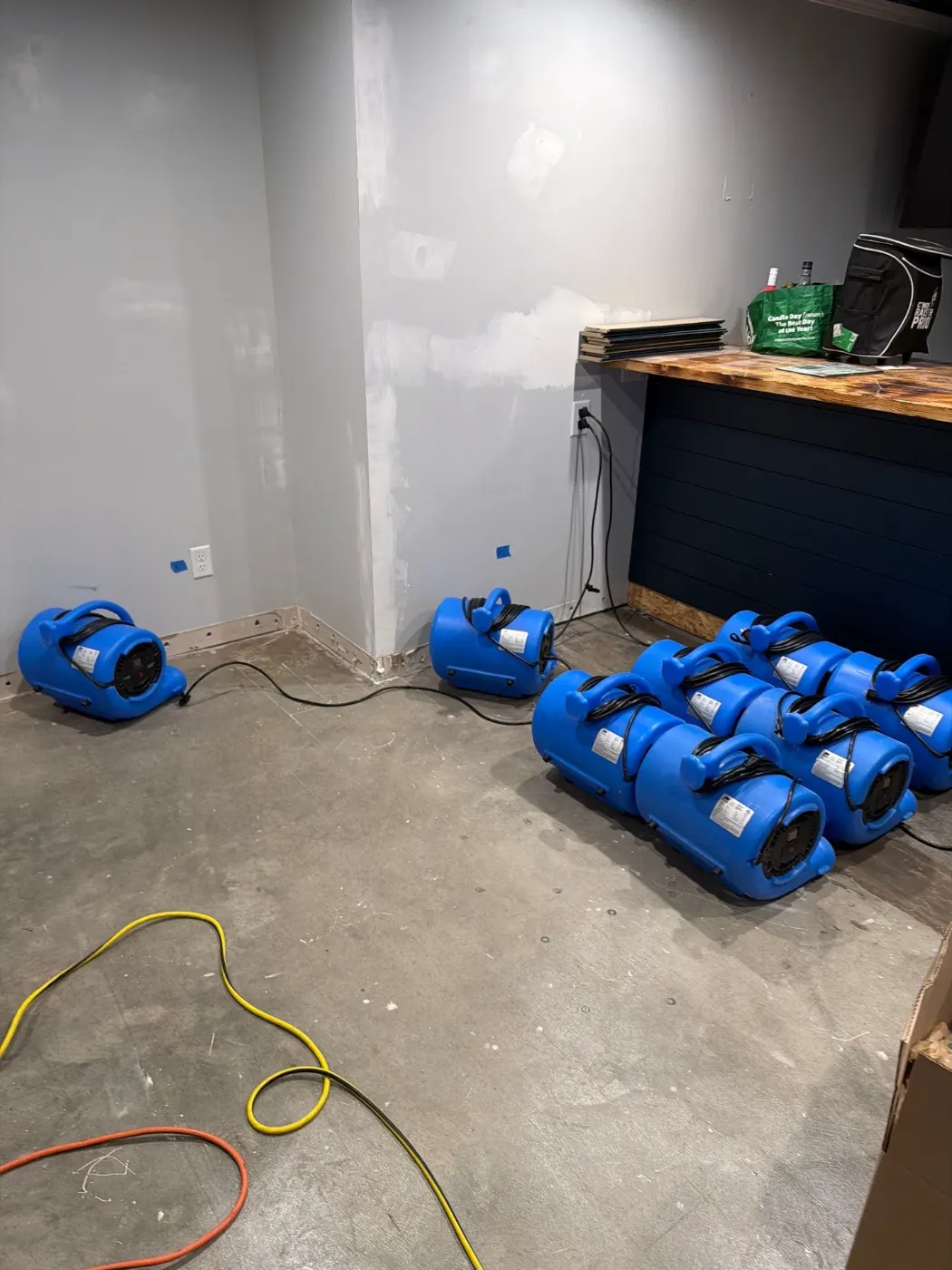
Air movers and dehumidifiers get sized to the affected volume and the amount of wet material, then placed around the wet zone. Moisture content is logged daily by material and location against unaffected baseline readings taken elsewhere in the same building.
Commercial Sewage Cleanup in Valley Mills
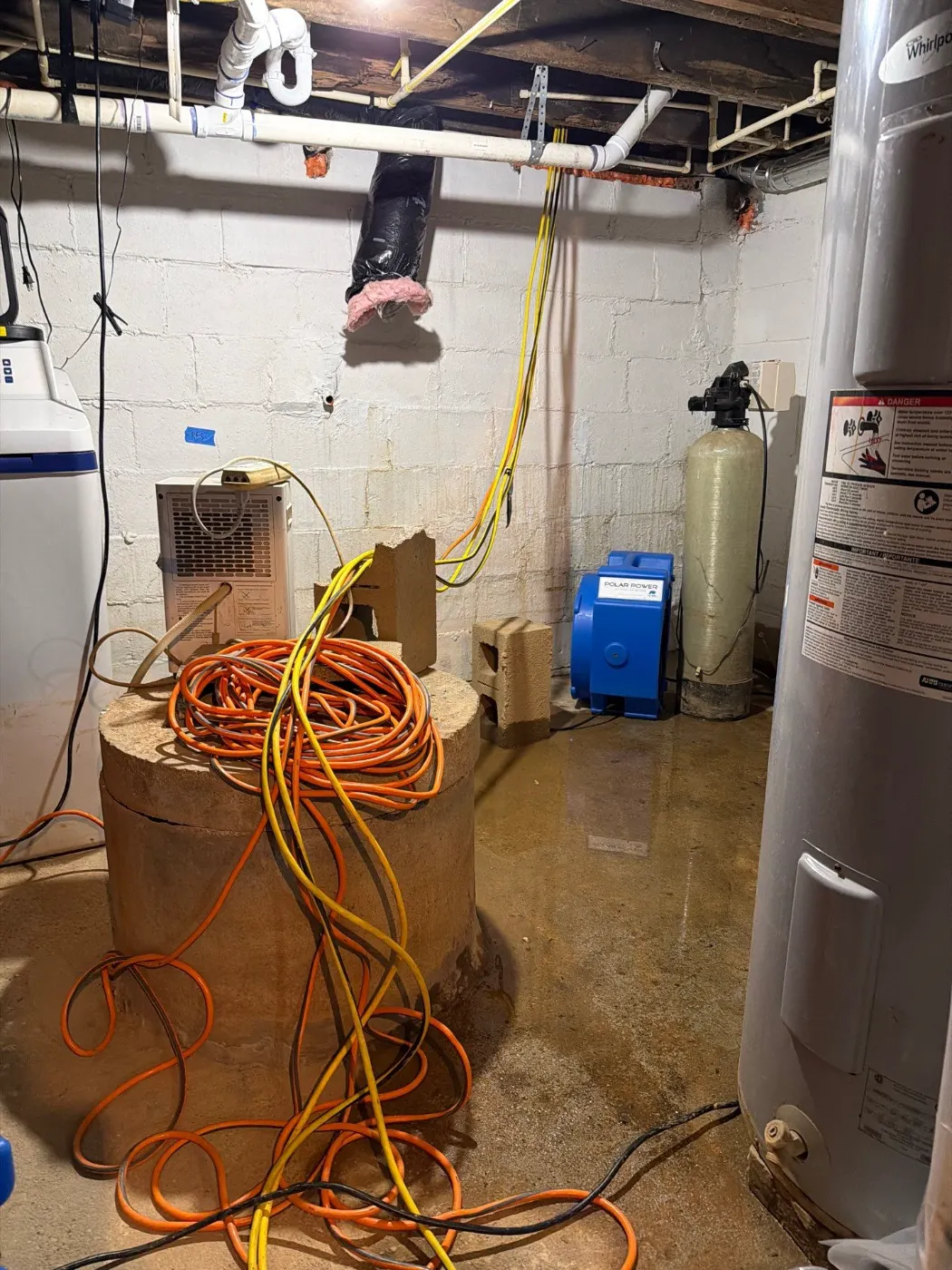
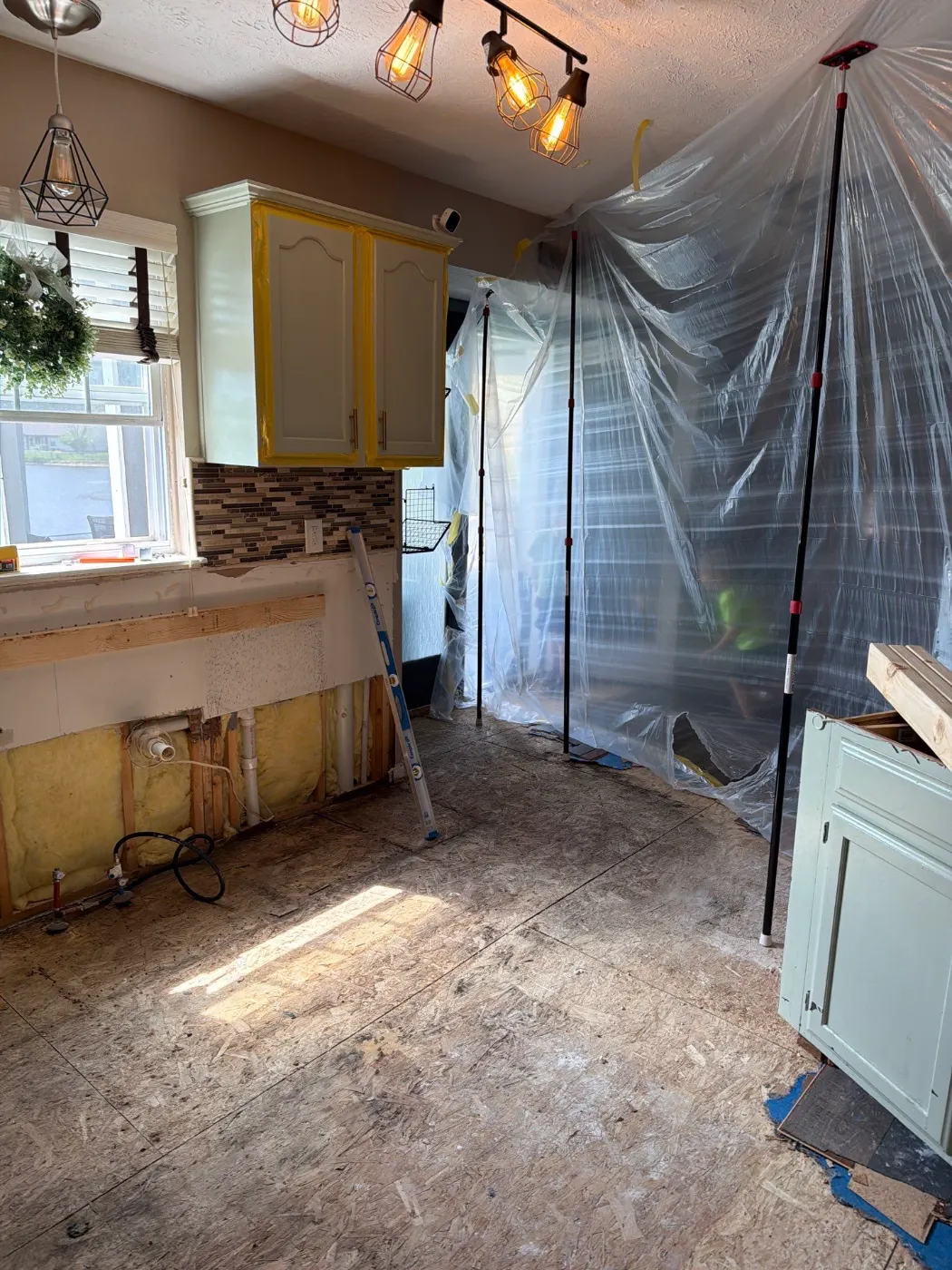
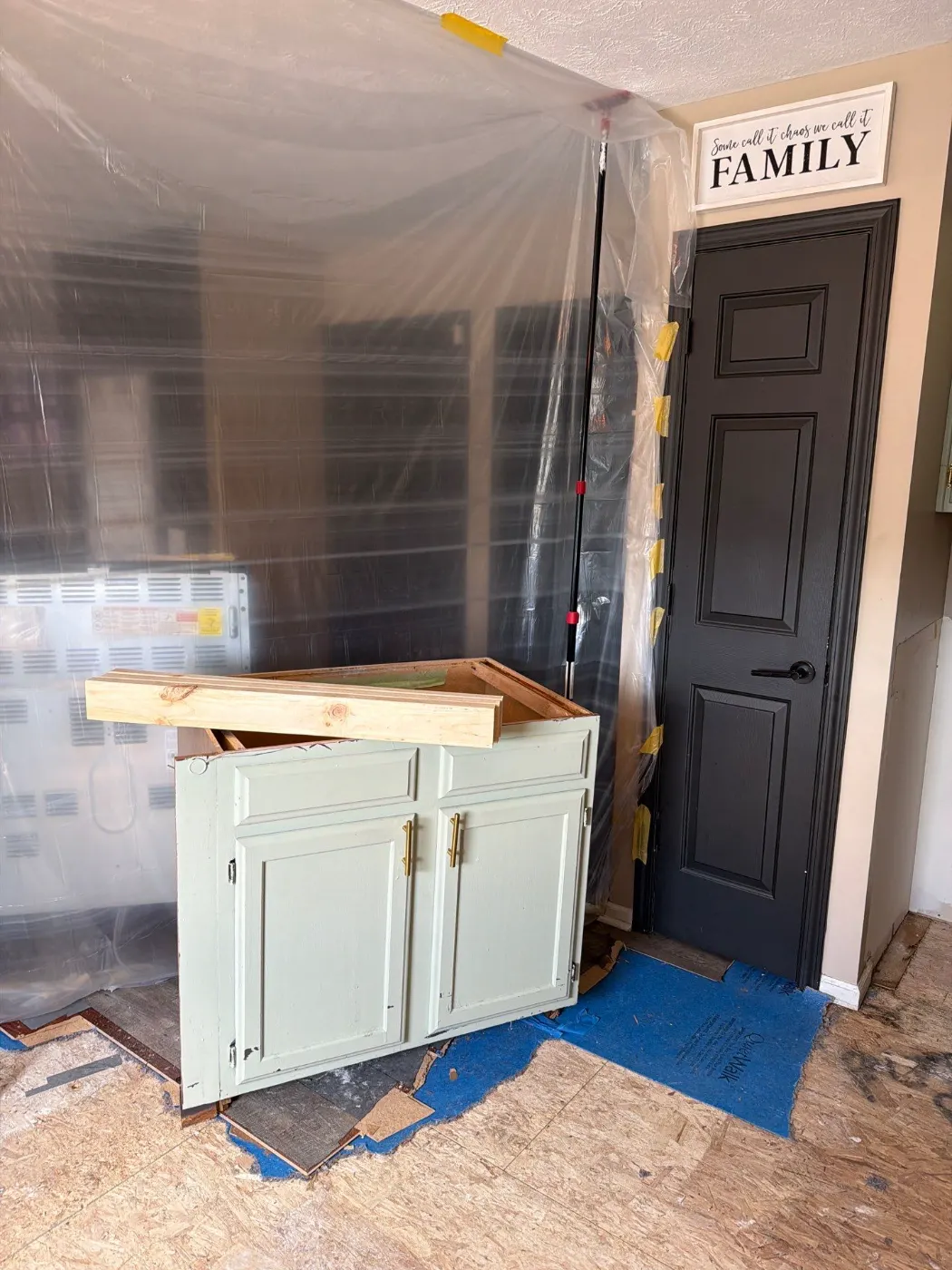
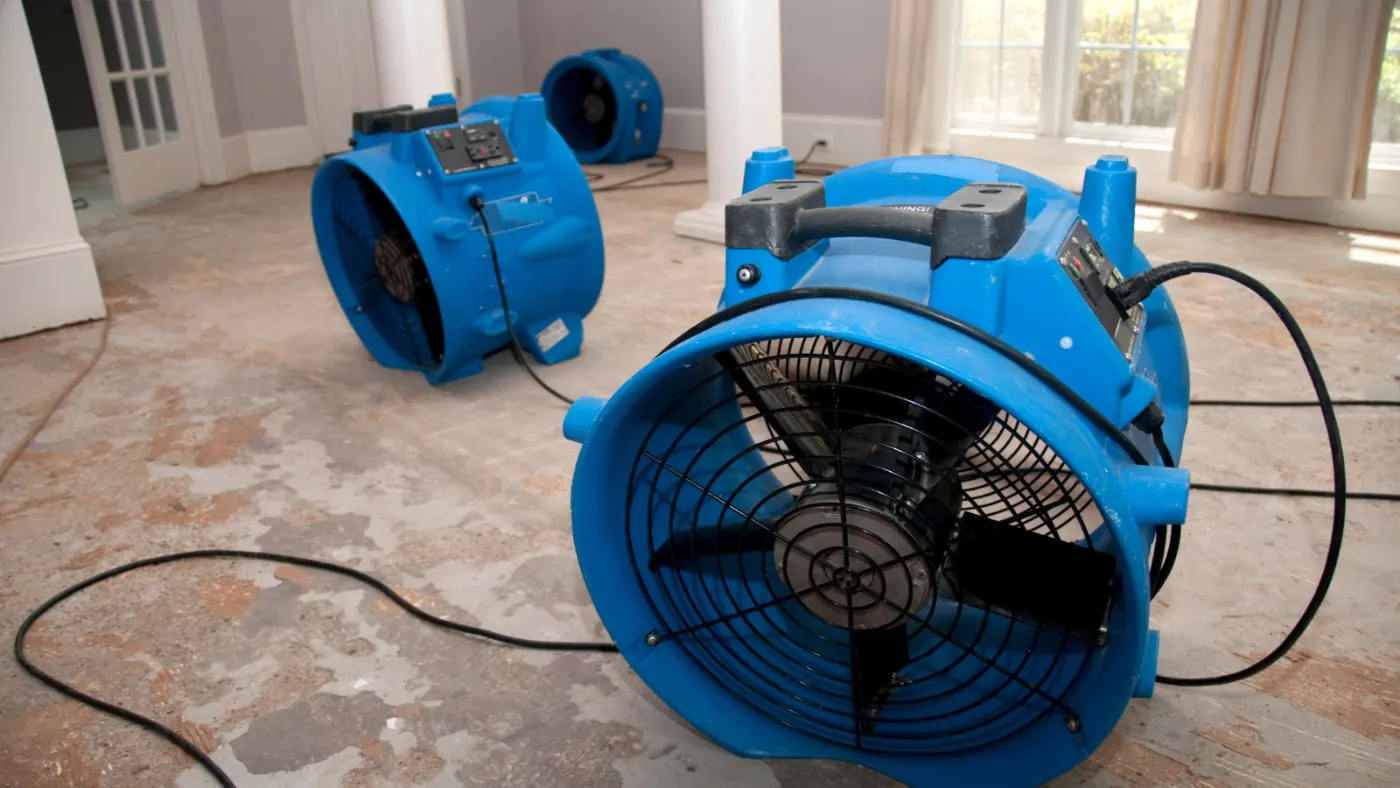
Photographs from real commercial sewage cleanup jobs completed by our crew in Valley Mills and surrounding areas.
Commercial Sewage Cleanup FAQ
Questions Valley Mills property managers ask us about commercial sewage cleanup.
Guidance and Standards for Commercial Sewage Cleanup
- The ANSI/IICRC S500 is the published standard for professional water damage restoration. The current edition is the Fifth Edition, 2021. IICRC S500 Standard
Valley Mills Neighborhoods We Serve
We take commercial sewage cleanup calls in every part of Valley Mills. Pick your neighborhood for local details.
Other Restoration Services in Valley Mills
Valley Mills Water Restoration handles the full scope of restoration work. Explore our other services below.
Water Damage Restoration in Valley Mills
24/7 emergency response. IICRC certified water restoration from extraction to full dry out.
Learn more →Basement Flooding in Valley Mills
Basement water emergencies handled fast. Extraction, drying, mold prevention.
Learn more →Sewage Cleanup in Valley Mills
Category 3 biohazard cleanup. Full containment, decontamination, structural restoration.
Learn more →Request Commercial Sewage Cleanup
Reach Us Directly
Our team is available 24/7 for emergencies and ready to schedule inspections during business hours.
Need Immediate Help?
For active water or mold emergencies, call us directly. We are available 24/7.