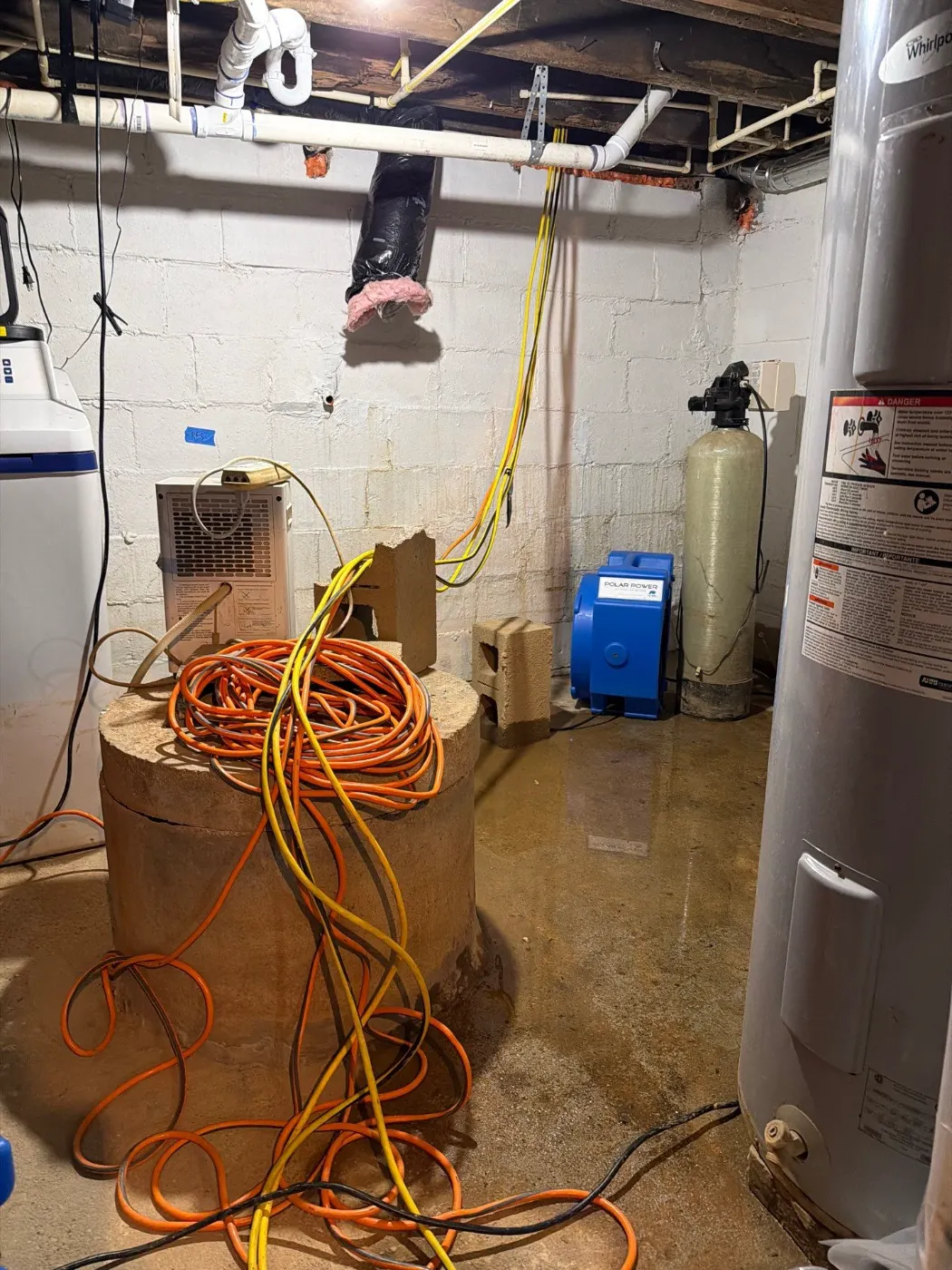
Storm Damage in Valley Mills, IN
Surface water at your Valley Mills doors and garage extracted and contained, with every step photographed.
When Valley Mills homeowners need Storm Damage, Valley Mills Water Restoration responds 24/7 with certified technicians, fast equipment deployment, and claim ready documentation. Call (317) 653-6821 for immediate dispatch.
- Service: Storm Damage for Valley Mills homeowners
- Service area: Valley Mills, IN and surrounding areas
- Response time: 24/7 live dispatch; emergency crews prioritized for Valley Mills
- Licensed and insured (License #RC21100059)
- Serving Valley Mills, IN since 2018
Storm Damage Cleanup in Valley Mills
We'll dry out your home in Valley Mills after storm water gets in through the roof or the basement.
Storms Here
Severe thunderstorms come through in spring and summer. Storms here can also bring large hail. If your insurance company asks for a storm date, NWS Indianapolis keeps a list of past events.
After a storm we can be anywhere in Valley Mills, from Emerald Springs to the roads around Winding River Golf Course and the Kentucky Avenue shopping corridor. Nearby, we also dry out storm damage in Mars Hill, Decatur Township, Ameriplex and Southern Dunes.
Expert Storm Damage for Valley Mills Homeowners
After a storm opens the roof, two jobs have to happen in order. The opening gets covered so nothing else gets in, then the water comes out of the insulation and the wall cavity while the permanent repair gets scheduled. Valley Mills Water Restoration handles both on Valley Mills, IN storm calls and dispatches within 2 hours, day or night.
Storm water work in Valley Mills follows the IICRC S500, Fifth Edition, from 2021, and the IICRC S520 applies if wet insulation has started growing mold. Valley Mills Water Restoration reads the attic and the ceilings every day and records each reading, so you can see the drying move from the first visit to the last one. The water restoration manager behind these jobs is IICRC certified.
Coordination is part of the work on storm losses. Valley Mills Water Restoration keeps the temporary cover in place and inspected while the roofing repair gets scheduled, and the drying plan accounts for whatever weather falls in between. If a rain event gets past the tarp, the crew documents it, rereads the affected materials, and adjusts the equipment, so the log records what happened to the house while it was happening.
Your policy may treat surface water and flooding at grade differently from rain that came through a storm opening, so check which policies you carry before you assume either way. Valley Mills Water Restoration documents the storm loss the same way either way on Valley Mills jobs, because the file is identical work: cause, entry point, category, readings, scope. If you're paying out of pocket, that file is how you know the price matches the damage.
Storm water inside a home in Valley Mills gets more expensive every day it sits in the insulation. Valley Mills Water Restoration dispatches a crew with extraction, dehumidification and the meters to decide what can stay and what's got to go. Homeowners across Valley Mills and Marion County can call day or night.
Signs You Need Storm Damage Restoration
If you notice any of these in your Valley Mills home, schedule a free inspection before the issue worsens.
Stored boxes in a basement corner with damp bottom edges or water lines
White chalky residue on a basement foundation wall where water has been moving through it
Flooring cupping, lifting, or separating at the seams along an exterior wall
Interior door frames swollen so the door rubs or won't latch
Puddles along an exterior wall or standing water in a basement window well after heavy rain
A pin moisture meter reading far above the same wall in a dry room
Ceiling texture cracked in a straight line that follows a joist or a roof truss
Paint or texture blistering along the top of an exterior wall after a windy storm
A musty smell that comes back in the same room after every rain and fades in between
Standing water around the sump pit after the power came back on
How Valley Mills Water Restoration Handles Storm Damage
We follow these steps in order on every Valley Mills job.
Storm Call Intake
The first call covers where you see water, whether the power is on, how long it's been coming in and what's already been moved. Those answers decide what gear goes out and what to do before the crew gets there.
Contents Protection
Furniture legs get blocked off wet flooring and small items move out of the water's reach, with photos taken of anything that shifts. Rugs and boxes in a flooded basement come up off the floor before extraction starts.
Water Extraction
Standing water gets pumped and extracted before there's any drying equipment in the room. Hard floors are squeegeed and extracted, saturated carpet pad is pulled, and carpet gets detached to reach the subfloor. Water that came in at grade also gets an antimicrobial treatment once the soaked material is out.
Wet Insulation Removal
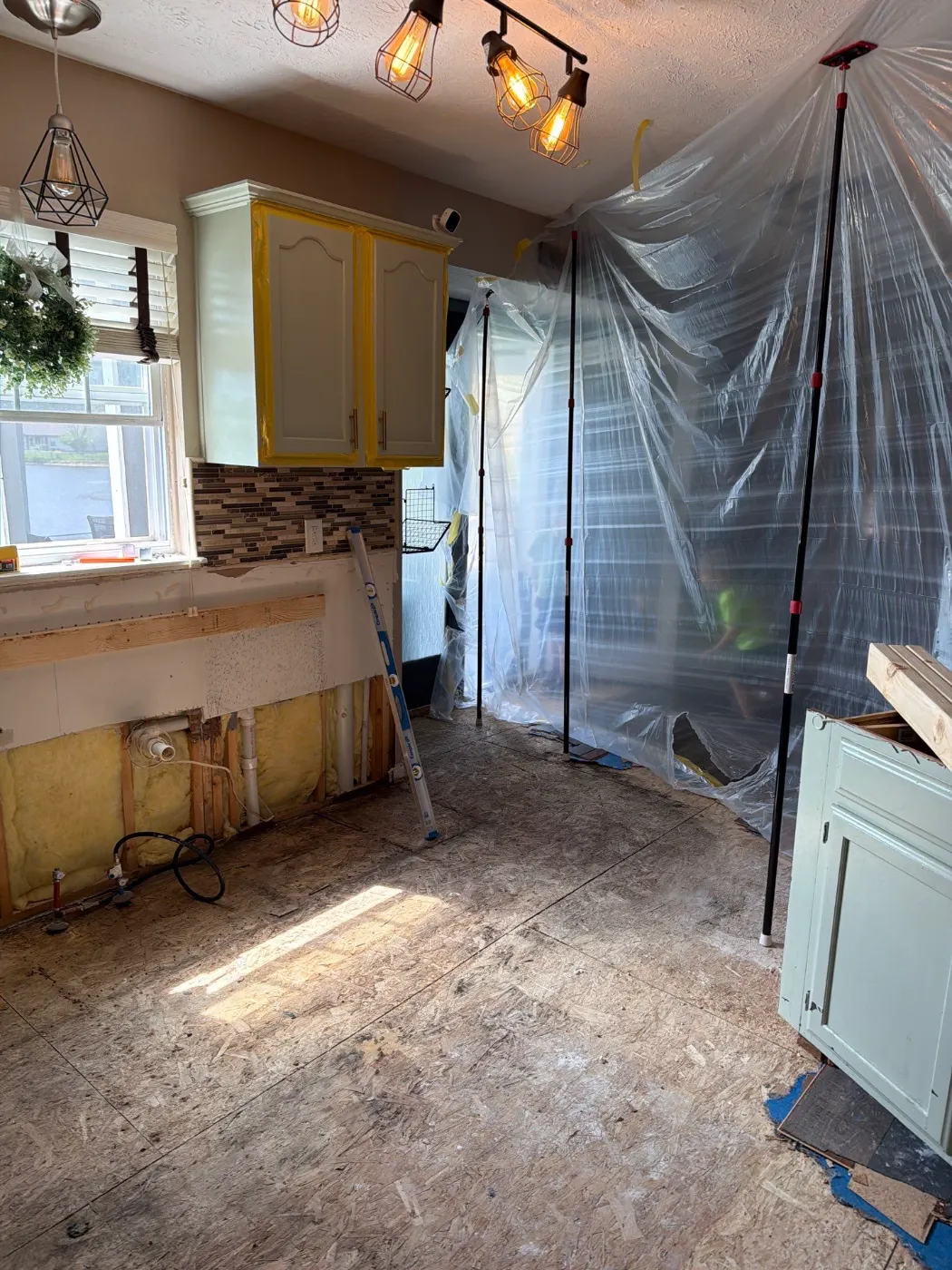
Soaked batts and matted blown in get bagged out of the attic and the ceiling cavity, with type, depth and square footage recorded for the rebuild and for the claim. Wet insulation holds water against the ceiling board and loses its insulating value while it's wet.
Attic and Cavity Drying
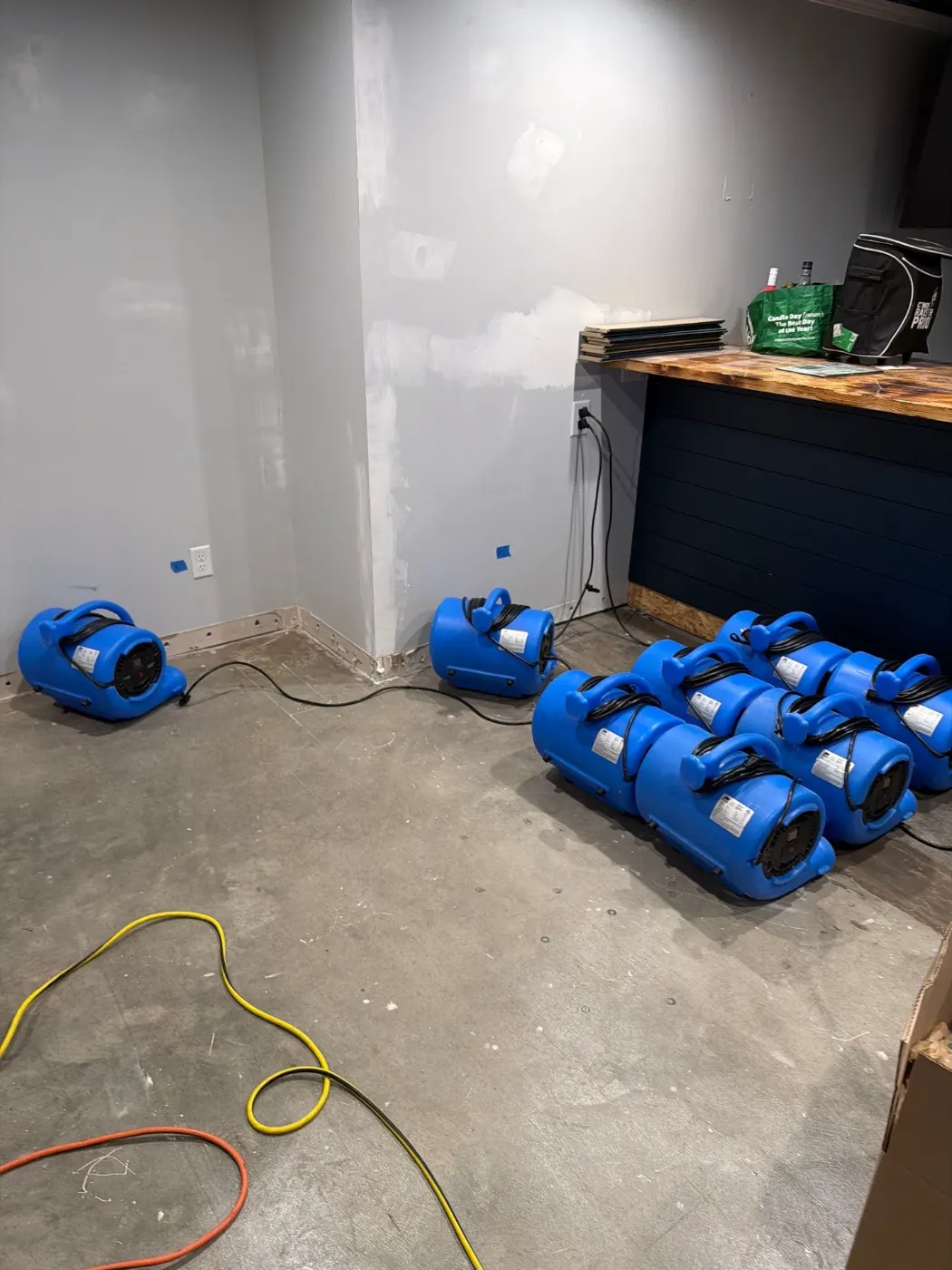
Air movers aim at wet surfaces, dehumidification is sized to the containment volume, and negative air cavity drying runs through small ports where a ceiling or wall doesn't have to come down to dry. Humidity gets tracked inside and outside the drying area.
Storm Damage in Valley Mills
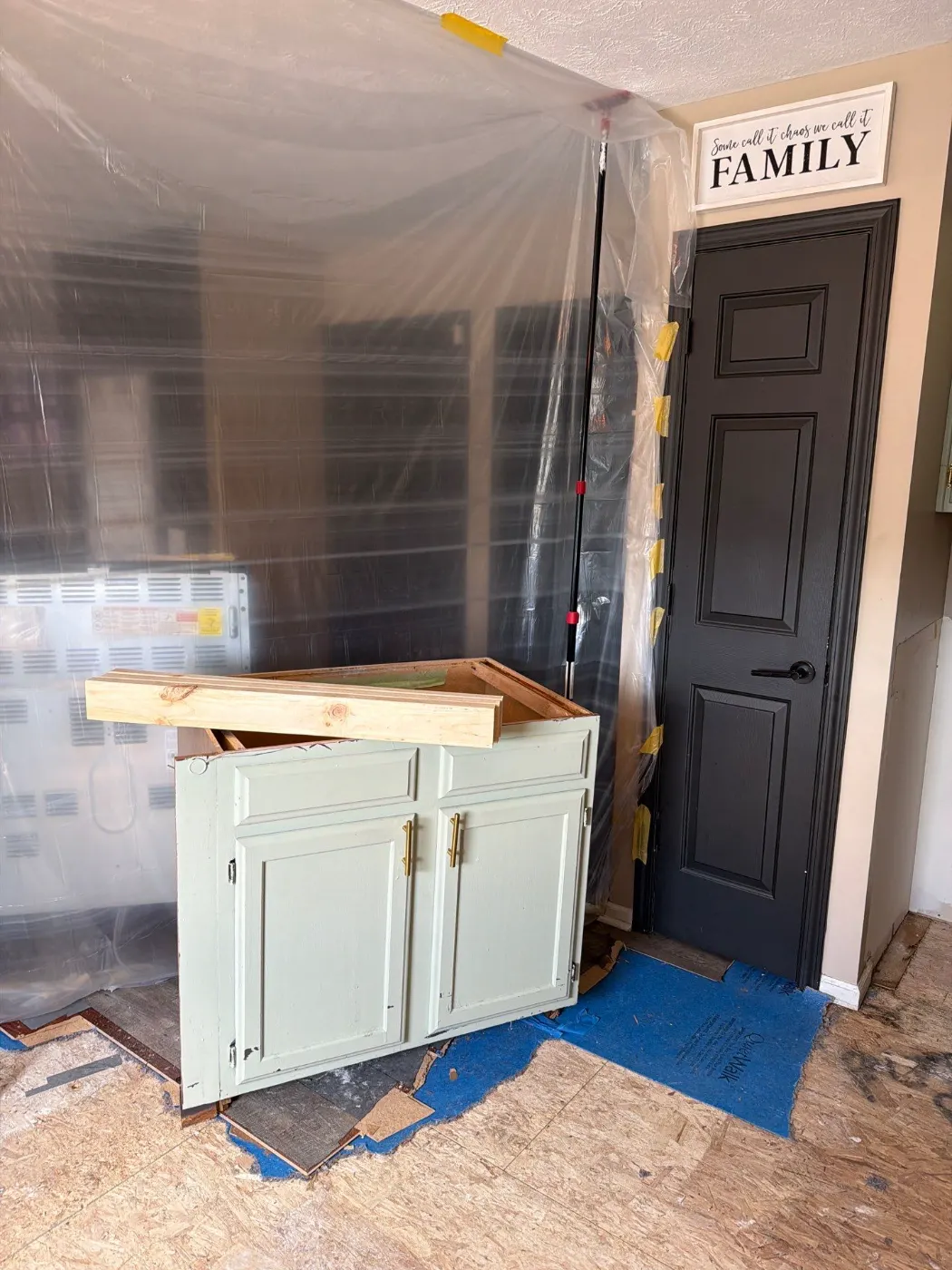
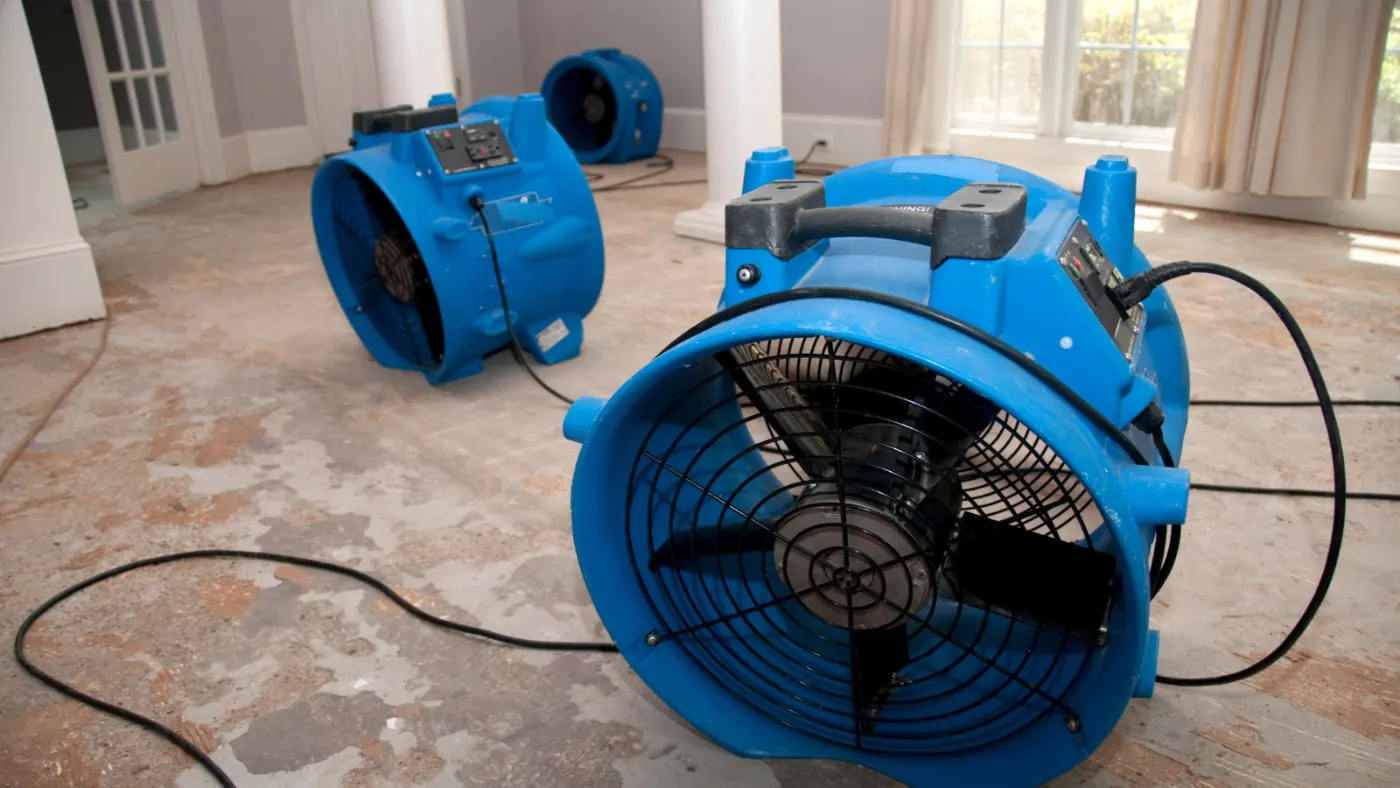
Photographs from real storm damage jobs completed by our crew in Valley Mills and surrounding areas.
Storm Damage FAQ
Questions Valley Mills homeowners ask us about storm damage restoration.
Guidance and Standards for Storm Damage
- The National Weather Service office in Indianapolis posts summaries of recent central Indiana storm and flood events. NWS Indianapolis Event Summaries
- The Indiana Department of Insurance advises against permanent repairs before your insurance company inspects the damage. Check your own policy for what it covers. Indiana Department of Insurance: Insurance Claim Tips
Valley Mills Neighborhoods We Serve
We take storm damage calls in every part of Valley Mills. Pick your neighborhood for local details.
Other Restoration Services in Valley Mills
Valley Mills Water Restoration handles the full scope of restoration work. Explore our other services below.
Water Damage Restoration in Valley Mills
24/7 emergency response. IICRC certified water restoration from extraction to full dry out.
Learn more →Basement Flooding in Valley Mills
Basement water emergencies handled fast. Extraction, drying, mold prevention.
Learn more →Sewage Cleanup in Valley Mills
Category 3 biohazard cleanup. Full containment, decontamination, structural restoration.
Learn more →Request Storm Damage Restoration
Reach Us Directly
Our team is available 24/7 for emergencies and ready to schedule inspections during business hours.
Need Immediate Help?
For active water or mold emergencies, call us directly. We are available 24/7.