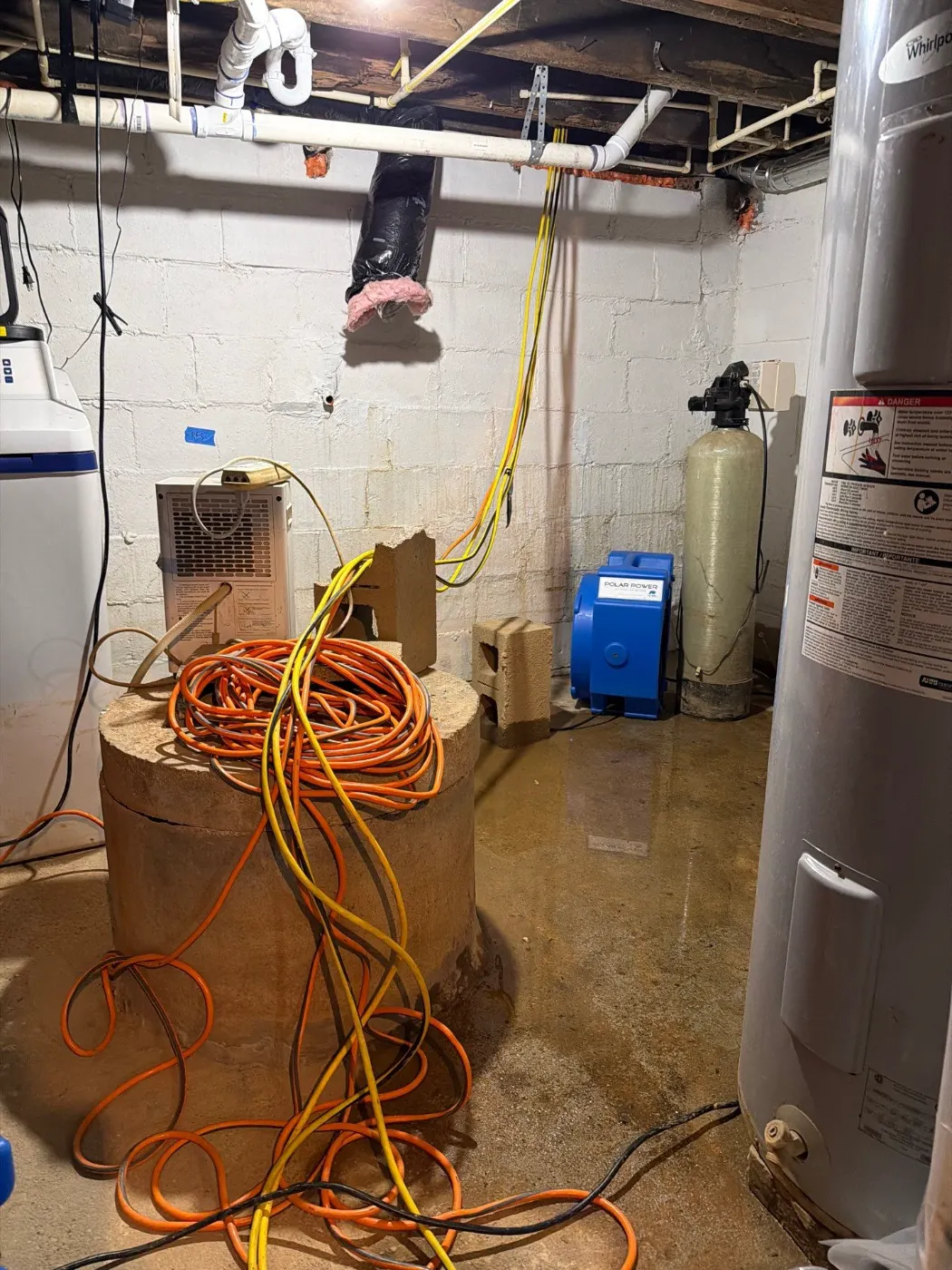
Commercial Storm Damage in Valley Mills, IN
In Valley Mills, wet inventory gets moved first and every reading gets logged for your property policy file.
For Commercial Storm Damage in Valley Mills, Valley Mills Water Restoration brings the equipment, the certifications, and the paperwork: 24/7 response, written scopes, and insurance claim support. Call (317) 653-6821 for dispatch.
- Service: Commercial Storm Damage for Valley Mills homeowners
- Service area: Valley Mills, IN and surrounding areas
- Response time: Emergency water calls in Valley Mills get crews rolling, not callbacks
- Licensed and insured (License #RC21100059)
- Serving Valley Mills, IN since 2018
Commercial Storm Damage Cleanup in Valley Mills
After a storm hits a commercial building in Valley Mills, we'll cover the opening and then dry out the space underneath it.
Storms Here
Spring and summer are severe thunderstorm season here. Large hail can hit here, and that puts roofs and rooftop equipment at risk. NWS Indianapolis posts summaries of past storms, which helps when your carrier asks for a date.
We respond to storm calls from businesses anywhere in Valley Mills, including those around the Kentucky Avenue shopping corridor. We also handle commercial storm damage in Decatur Township, Ameriplex, Southern Dunes and Camby.
Commercial Storm Damage for Valley Mills Businesses
Water through a roof breach tends to find the one room you'd never choose, because electrical rooms and IT closets sit under the mechanical penetrations. Power gets shut off and the business stops before the water damage even registers. A crew dispatches to commercial intrusion in Valley Mills within two hours, pulls standing water away from equipment first, and works with your electrician on what can safely be reenergized.
A thermal camera points the crew toward cooler surfaces that may be wet, and a moisture meter confirms which ones are. Scope lines come from meter readings and from what the crew sees through open inspection holes. The camera images are kept too, because they show the outline of the wet area on the day your Valley Mills floor plan was marked up.
Along the glass line of your Valley Mills building, the crew checks the fan coil cabinets and floor boxes first, because water collects where they sit. The vinyl base is lifted at intervals so a meter can read the wall behind it, and the slab edge is probed. Readings run along the whole glass line, since the water often travels farther than the visible stain.
Valley Mills Water Restoration invoices the full scope of work performed on your Valley Mills building, and every line ties to the log. Equipment gets pulled the day the readings justify pulling it, and the log shows which day that was, so nothing on the invoice depends on anybody's memory of how long the job ran. Coverage questions stay with you, your broker and your carrier.
Valley Mills Water Restoration dispatches to commercial water intrusion in Valley Mills, day or night, weekend or holiday. The crew stops the water, dries the structure, and puts the ceiling and the insulation back when the readings allow it. Call and the team will walk the building with you.
Signs You Need Commercial Storm Damage Restoration
If you notice any of these in your Valley Mills building, schedule a free inspection before the issue worsens.
A supply diffuser dripping water or showing rust streaks after a storm
Interior glazing sealant that's cracked, pulled loose, or missing along a run of joints
Interior wall base swelling, delaminating, or pulling away from the gypsum behind it
Rust on the metal stud track at the bottom of a wall cavity once an opening is cut
Standing water ponding on the roof more than two days after the rain stopped
Raised access floor panels that feel damp, with water showing beneath them in a telecom room
Damp, darkened flooring in a band just inside the main entrance after a windy rain
Wet or stained carpet along an interior column line with no plumbing fixture anywhere near it
A tenant reporting the same leak every heavy rain, in the same corner of the same suite
Insulation batts above the ceiling grid that are compressed, matted, or dripping at the edges
How Valley Mills Water Restoration Handles Commercial Storm Damage
We follow these steps in order on every Valley Mills job.
Two Hour Dispatch
A crew dispatches to your Valley Mills commercial property within two hours of the call with extraction units, dry in materials, thermal imaging and moisture meters. Work starts on arrival while the team confirms building access, after hours contacts, and which spaces have to stay open.
Occupied Space Planning
Suites and corridors that must stay in service get marked on the plan before any equipment is staged, along with where the barriers go. The loud work is scheduled for hours when the space is empty.
Structural Drying Setup
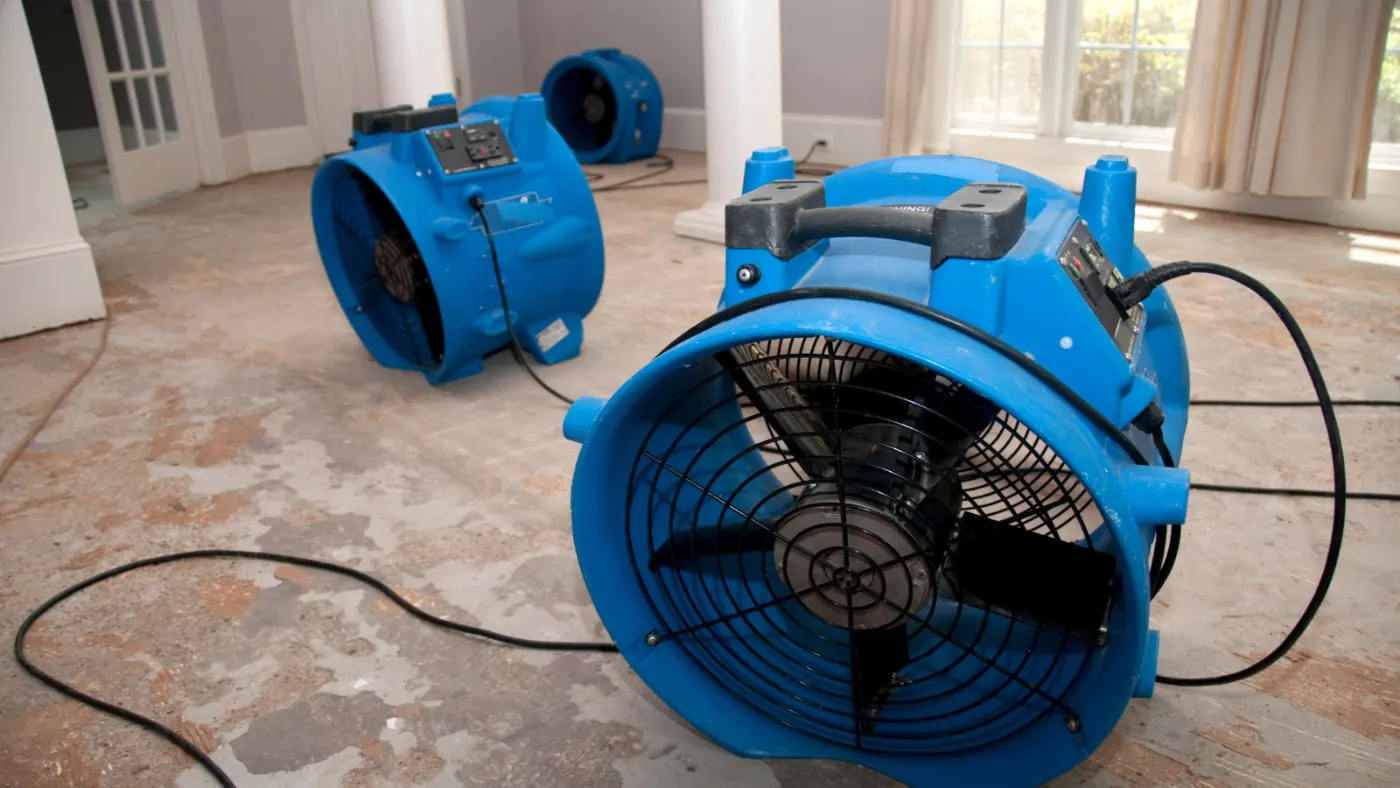
Dehumidification is sized to affected cubic footage, desiccant for open floor plates and refrigerant units for enclosed suites. Air movers go in at calculated angles. The crew checks available amperage and brings distribution or generator power when building panels can't carry the load.
Slab and Dock Floor Checks
Concrete at a dock or in a warehouse holds water well after the surface dries, so the crew probes the slab at marked spots and keeps dehumidification and air movement running until the readings level off.
Dry Standard Verified
Affected materials have to match the dry standard measured in an unaffected part of the same building before equipment comes out. Final readings, photos and equipment run hours go in the file, and a punch walk sets what's left to rebuild.
Commercial Storm Damage in Valley Mills
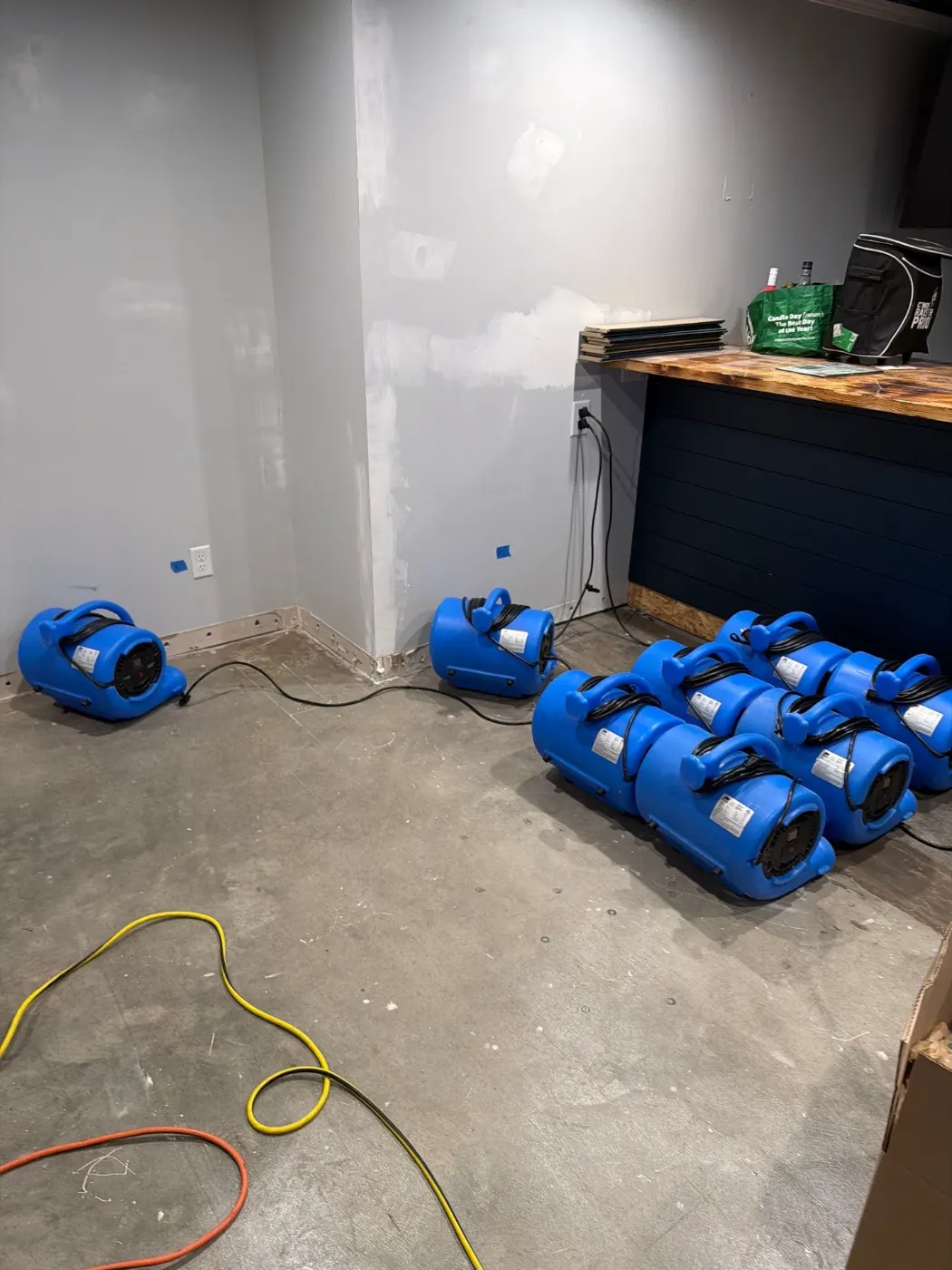
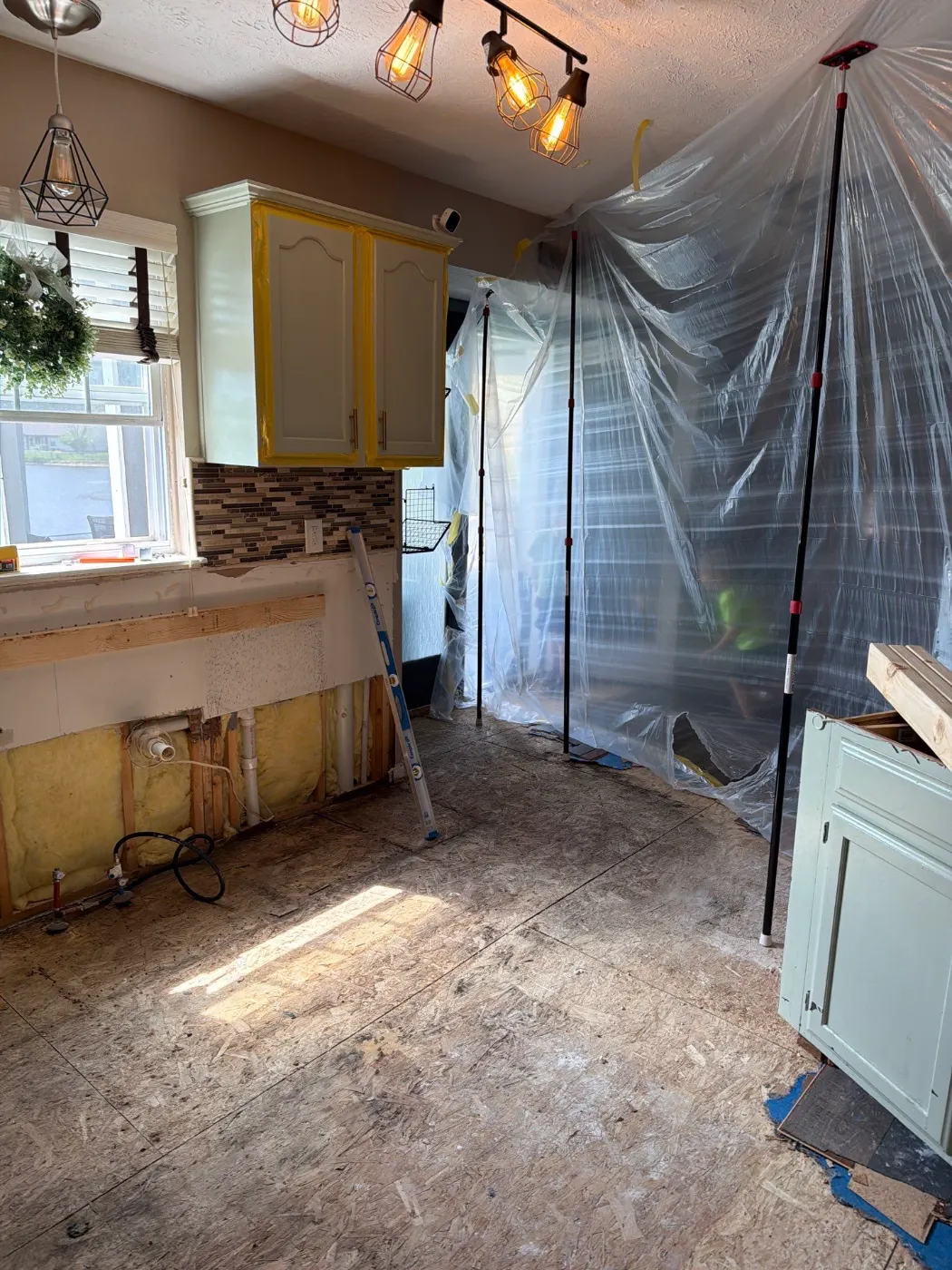
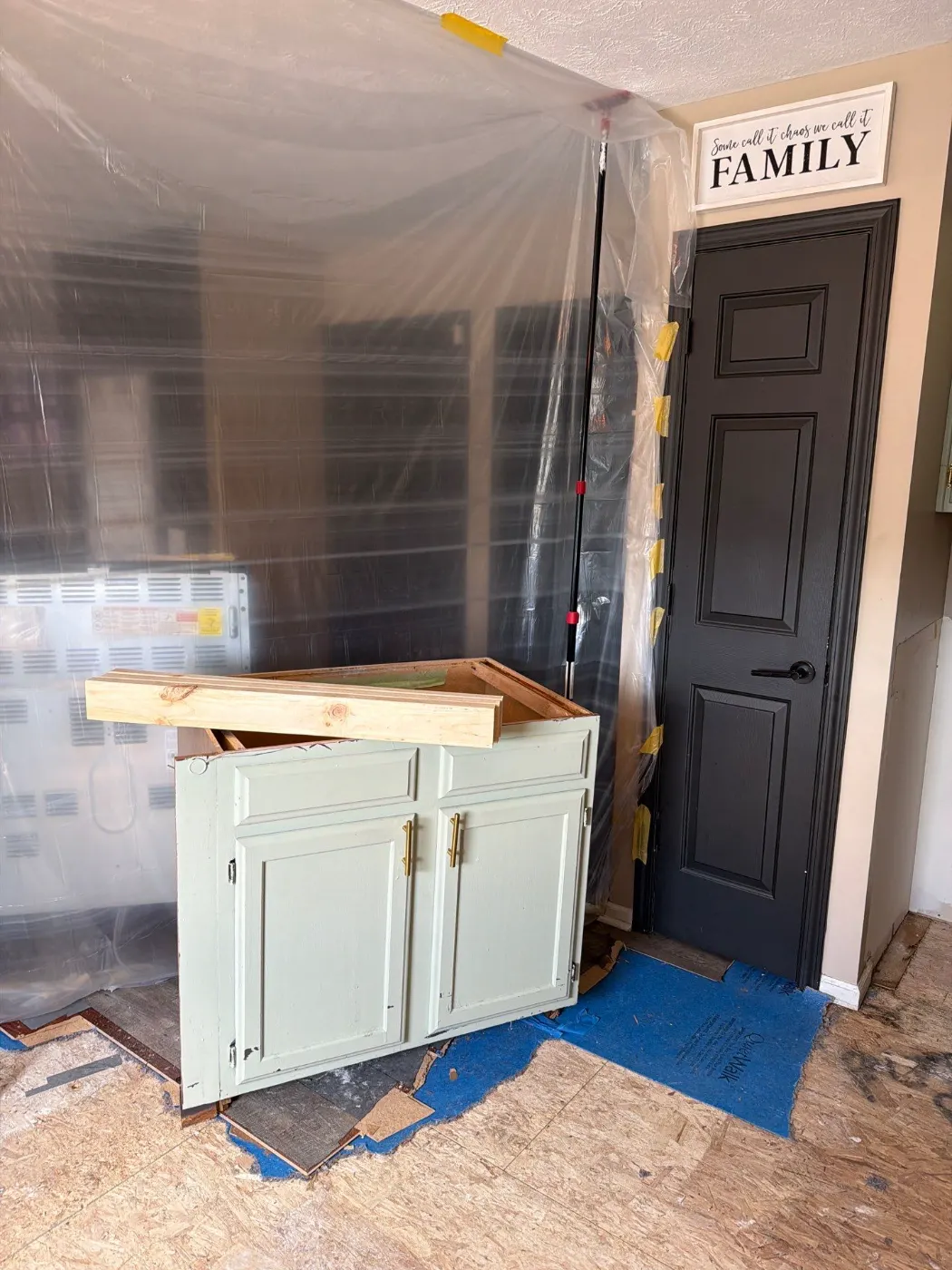
Photographs from real commercial storm damage jobs completed by our crew in Valley Mills and surrounding areas.
Commercial Storm Damage FAQ
Questions Valley Mills property managers ask us about commercial storm damage restoration.
Guidance and Standards for Commercial Storm Damage
- The National Weather Service office in Indianapolis posts summaries of recent central Indiana storm and flood events. NWS Indianapolis Event Summaries
- The ANSI/IICRC S500 is the published standard for professional water damage restoration. The current edition is the Fifth Edition, 2021. IICRC S500 Standard
Valley Mills Neighborhoods We Serve
We take commercial storm damage calls in every part of Valley Mills. Pick your neighborhood for local details.
Other Restoration Services in Valley Mills
Valley Mills Water Restoration handles the full scope of restoration work. Explore our other services below.
Water Damage Restoration in Valley Mills
24/7 emergency response. IICRC certified water restoration from extraction to full dry out.
Learn more →Basement Flooding in Valley Mills
Basement water emergencies handled fast. Extraction, drying, mold prevention.
Learn more →Sewage Cleanup in Valley Mills
Category 3 biohazard cleanup. Full containment, decontamination, structural restoration.
Learn more →Request Commercial Storm Damage Restoration
Reach Us Directly
Our team is available 24/7 for emergencies and ready to schedule inspections during business hours.
Need Immediate Help?
For active water or mold emergencies, call us directly. We are available 24/7.